Praxis BFS, LLC

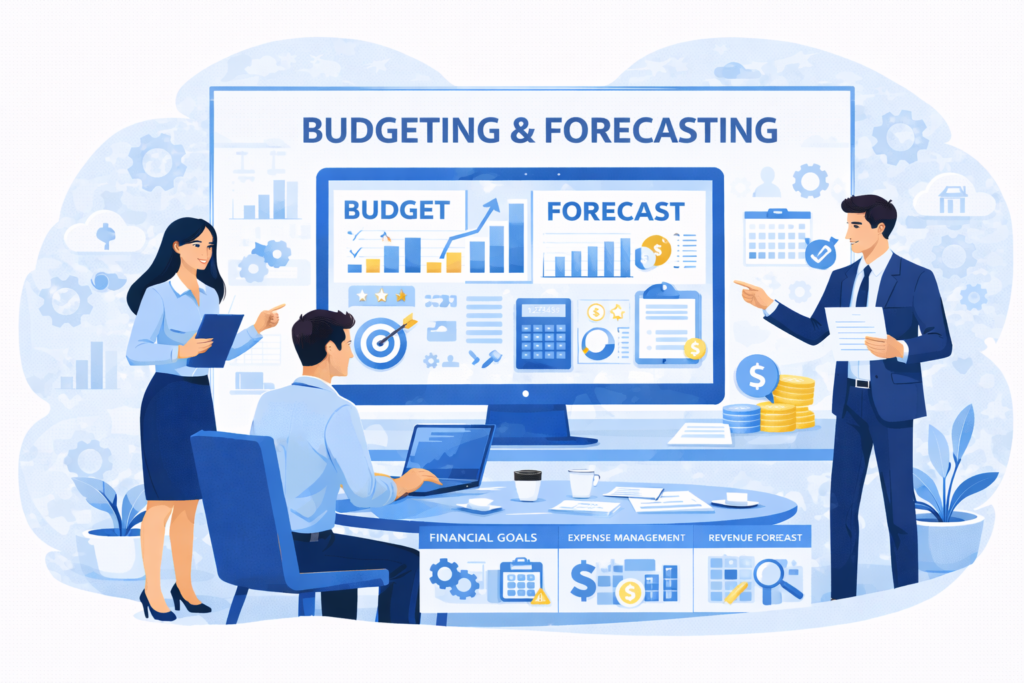
Budgeting and Forecasting

Financial Projections

  • Budget Creation: Developing detailed budgets that outline expected revenues, expenses, and cash flows for specific time periods, including monthly, quarterly, and annual budgets.
  • Sales Forecasting: Estimating future sales based on historical data, market analysis, and current trends to inform the budgeting process.
  • Expense Forecasting: Projecting future expenses by analyzing past expenditures and anticipated changes in costs to ensure accurate budgeting.
  • Capital Expenditure Planning: Identifying and planning for major capital expenditures, including equipment purchases and facility upgrades, to align with strategic goals.

Variance Analysis

  • – Performance Comparison: Analyzing actual financial performance against budgeted figures to identify variances and assess the reasons behind them.
  • Reporting Variances: Preparing reports that summarize variances, providing insights into areas of over- or under-performance and their potential impact on financial health.
  • Action Plans for Discrepancies: Developing strategies and action plans to address identified variances, helping businesses adjust their operations or financial strategies accordingly.

Scenario Planning

  • What-If Analysis: Conducting scenario analyses to evaluate the financial impact of different business decisions or economic conditions, helping clients prepare for various outcomes.
  • Stress Testing: Assessing financial resilience by analyzing how various stress scenarios, such as economic downturns or sudden market changes, would affect the business’s financial health.

Cash Flow Management

  •  Cash Flow Projections: Creating detailed cash flow forecasts to ensure that the business maintains adequate liquidity to meet its obligations.
  • Cash Flow Analysis: Analyzing cash flow patterns to identify trends and develop strategies for optimizing cash flow, including the timing of revenue collections and expense payments.

Strategic Planning

  • Long-Term Financial Planning: Assisting businesses in developing long-term financial strategies that align with their overall goals and objectives, including growth targets and investment strategies.
  • Resource Allocation: Advising on the allocation of financial resources to ensure that funds are directed toward the most impactful initiatives.

Reporting and Communication

  •  Budget Reports: Preparing regular budget reports that provide updates on budget performance, highlighting areas of concern and progress toward financial goals.
  • Stakeholder Communication: Assisting in communicating budget and forecast information to stakeholders, including management and board members, to ensure alignment and understanding.

Training and Support

  • Budgeting Workshops: Offering training sessions for internal teams on effective budgeting practices, tools, and methodologies.
  • Ongoing Support: Providing continuous support in monitoring budgets and forecasts, ensuring that clients can adapt to changes in their financial landscape.